Electricity in Mongolia — Plugs, Voltage & Traveler Tips
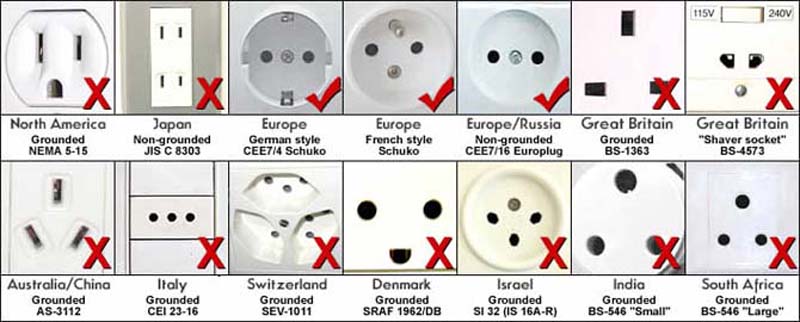
Understanding how electricity works in Mongolia will help you stay powered up and comfortable throughout your journey — whether you’re in the capital, on the steppe, or deep in the Altai Mountains.
⚡ Voltage & Socket Types
In Mongolia, the standard electrical system is:
- Voltage: 220–240 V (Europe/Asia standard)
- Frequency: 50 Hz
- Socket Types: Europlug (Type C) and Schuko (Type F) (two round pins)
If your devices use a different voltage or plug shape — especially from North America, Japan, or the UK — you’ll need a plug adapter and possibly a voltage converter.
🔌 Plug Adapter Tips
Europe & Asia travelers: Most devices will work with a simple Europlug/Schuko adapter.
North America & Japan: You may need both a plug adapter and a voltage converter for devices that do not support 220 V.
Laptop & Phone Chargers: Check the small print — many modern chargers support 100–240 V, meaning you’ll only need a plug adapter.
🏕️ Electricity Outside Cities
In many rural and remote locations — especially in nomadic areas and high mountain regions — electricity may not be continuous:
Frequent interruptions can occur due to fuel supply issues or infrastructure limits.
Many ger camps use generators or solar systems with limited capacity. In these cases, charging ports may be limited and best used for essential devices only.
Tips for Travelers:
- Bring a portable charger (power bank) for phones and small devices
- Charge your gear in towns before heading into wild areas
- Use solar chargers on multi‑day treks and camps
📱 Device Tips for Mongolia
Smartphones & Tablets: Most work with local voltage using an adapter.
Camera Batteries: Bring extra batteries or a small charger — outlets can be scarce in remote camps.
Hair Dryers & High‑Wattage Appliances: These often require a voltage converter and may not work well in rural guesthouses or camps.
🌏 Staying Prepared on the Road
Here’s how to avoid power problems while traveling:
- Pack a universal travel adapter — it’s one of the most useful items you can bring.
- Label chargers and cords so they don’t get lost among your gear.
- Ask your hotel, guesthouse, or tour guide about outlet availability, especially before remote stays.
🔋 Why This Matters
Having reliable access to power helps you:
- Share photos and stories with friends and family
- Navigate with offline maps or translation apps
- Stay connected in case of emergencies
And most importantly — it lets you enjoy your adventure without stress!